SAT Reading and Writing Practice Questions: How to Review Them
A practical SAT Reading and Writing practice routine: sort the question type, find the trap, and write a one-line miss review.
Read it to name the pattern, then practice while it is still fresh.
Prepared by Askiras editorial team. These guides stay short on purpose: one pattern, one worked example, one clear next step into practice. How we build guides.
Uses public Digital SAT format and practice-strategy context; does not reproduce protected College Board questions.
College Board Digital SAT context, Askiras independence, and no unsupported outcome claims.
How should I review SAT Reading and Writing practice questions?
Review SAT Reading and Writing by labeling the question type, finding the sentence that controls the answer, naming the trap choice, and writing one correction. The goal is not just to know the right answer; it is to prevent the same task from tricking you again.
The short answer
Do not review SAT Reading and Writing practice questions by only checking the answer key.
Review each miss with four labels:
- question type
- controlling sentence or phrase
- trap answer
- next-time rule
That turns a wrong answer into a pattern you can recognize later.
Practice question review template
After a missed Reading and Writing question, write:
- What was the task?
- What part of the text controlled the answer?
- Why was my wrong answer tempting?
- What one rule should I use next time?
Bad review note:
“Read more carefully.”
Better review note:
“This was a transition question. I chose an answer that sounded smooth, but the previous sentence was a contrast. Next time, identify the relationship before reading choices.”
Sort the question before solving
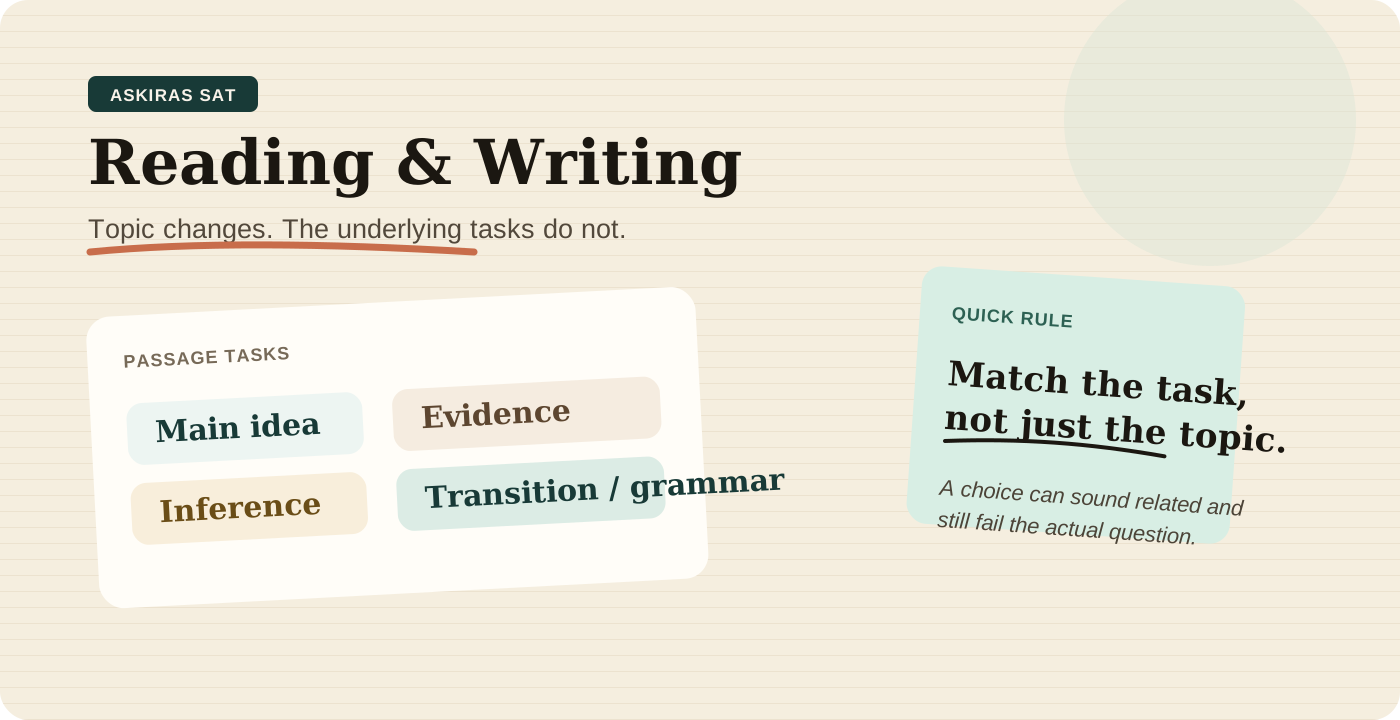
Most SAT R&W misses happen before the student really knows the job.
Common labels:
- central idea
- inference
- evidence
- transition
- sentence placement
- grammar boundary
- word choice in context
- notes-to-goal synthesis
The label matters because each type has a different standard for the right answer.
Find the controlling text
For reading questions, the right answer is usually controlled by one or two sentences.
For grammar questions, the answer is controlled by a rule or sentence boundary.
Do not review by rereading the whole passage vaguely. Find the exact line, phrase, punctuation mark, or relationship that made the answer right.
Name the trap
The wrong answer was probably not random.
It may have been:
- true but too broad
- true but not the task
- half-supported
- grammatically smooth but logically wrong
- based on the topic instead of the sentence relationship
Once you can name the trap, the next question feels less mysterious.
Bottom line
SAT Reading and Writing practice gets better when every miss produces a reusable label.
The goal is not more questions. The goal is fewer repeat misses.
Frequently asked questions
How many SAT R&W practice questions should I do at once?
Small sets work well if you review them deeply. Ten questions with real miss review often beats forty questions skimmed too quickly.
What should I write after a missed SAT R&W question?
Write the question type, the trap, and the rule for next time. Avoid vague notes like 'read carefully.'
Are grammar and reading questions reviewed the same way?
The labels differ, but the habit is similar: name the task before judging answer choices.
Keep going in this exam
Other guides at Askiras
If you are also prepping another exam, these short guides cover the same "name the pattern, then practice" habit.